

What defines the transition from 5th to 6th generation fighter jets?
The transition is defined by a shift from standalone stealth platforms to an integrated system-of-systems approach, combining manned aircraft, unmanned “loyal wingman” drones, artificial intelligence, and high-capacity networking.
Is stealth still the most important feature in modern air combat?
Yes, but stealth alone is no longer sufficient. Sensor fusion, network-centric warfare, electronic warfare dominance, and AI-assisted decision-making are now equally critical to achieving air superiority.
What makes 5th-generation fighters revolutionary?
5th-generation fighters introduced low observability, internal weapon bays, advanced sensor fusion, supercruise capability, and real-time data sharing, transforming aircraft into information warfare platforms rather than traditional fighters.
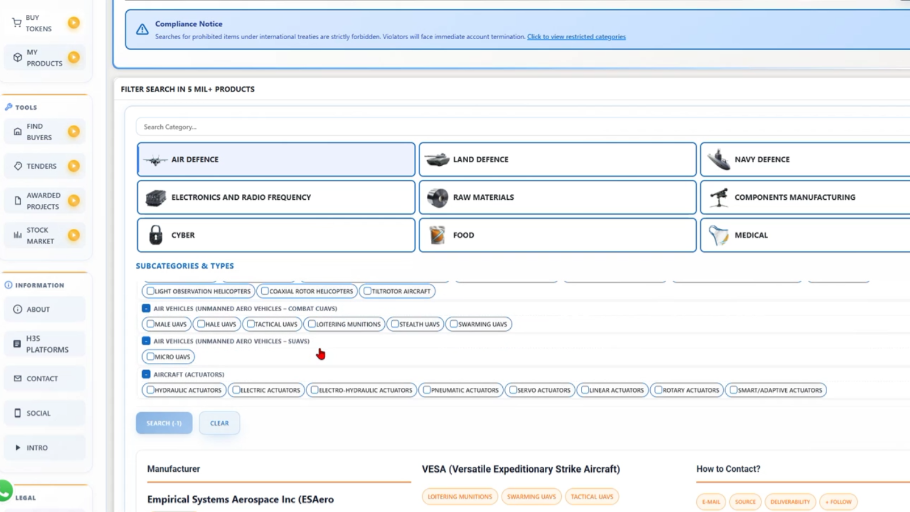
17.000+ Air Defence Products and Subsystems are listed in Directory Defence.
How will 6th-generation fighters change air warfare?
6th-generation fighters will operate as optionally crewed platforms, capable of controlling unmanned loyal wingmen, using artificial intelligence for decision support, and integrating directed-energy weapons while maintaining superior stealth and range.
Will 6th-generation fighters replace 5th-generation aircraft?
No. They are expected to operate alongside 5th-generation fleets, forming layered and interconnected combat ecosystems throughout the 2030s and beyond.
Why is unmanned teaming critical for future air combat?
Unmanned teaming expands sensor reach, survivability, electronic warfare capability, and weapons capacity while reducing risk to human pilots in highly contested environments.
Revolutionary advances in technology that change what it means to have air superiority have marked the evolution of fighter jets.
This article talks about the analytical framework of fighter jet generations, goes into detail about the game-changing abilities of 5th-generation aircraft, and looks at the key features of the new 6th-generation systems that will rule the future battlefield.
We explain the differences between the present and the future of aerial warfare, from stealth and sensor fusion to artificial intelligence and unmanned teaming.
More Than Just a Number: Understanding Fighter Jet Generations
Military analysts, aerospace engineers, and defense planners use the idea of “generations” of fighter jets to group combat aircraft by their design features, mission roles, and levels of technology.
Not all militaries, like the U.S. Air Force, follow this strict, official standard, but it is a useful comparison tool to understand how different countries modernize their airpower.
There is no fixed timeline for a new generation. Instead, a generation shift is defined by major technological breakthroughs, including:
- Propulsion systems (speed & fuel efficiency)
- Avionics and sensors (pilot awareness)
- Advanced weapons systems
- Stealth technologies
- Network-centric combat integration
This framework is essential to understand global defense investments and long-term airpower strategies.
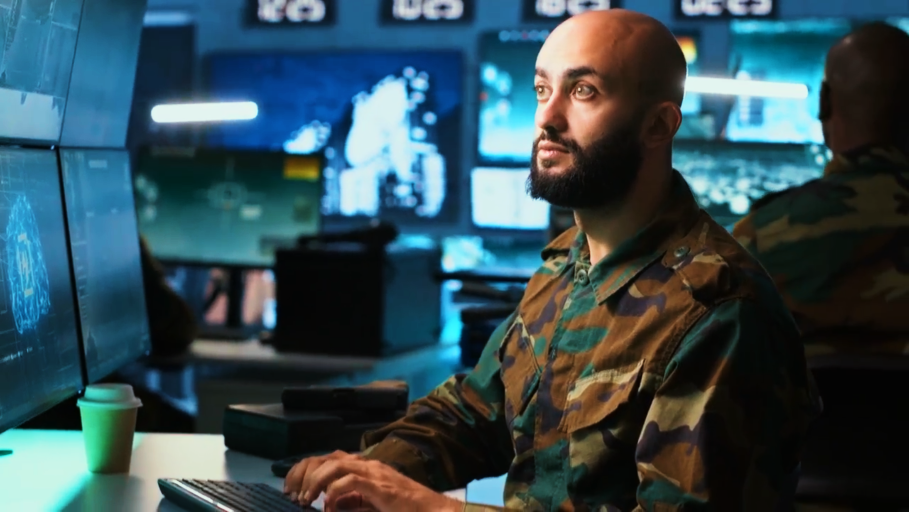
The Evolutionary Path to Modern Airpower: Generations 1 to 4.5
The transition from the early jet age to the digital battlespace represents a continuous and accelerating evolution in combat aircraft technology.
First Generation: The Beginning of the Jet Age
First-generation fighters emerged in the mid-1940s.
Key characteristics:
- Straight wings
- Minimal or no radar
- Gun-based armament
- Jet engines replacing propellers
Notable examples:
- Messerschmitt Me 262
- Lockheed P-80 Shooting Star
Second Generation: Breaking the Sound Barrier
The second generation appeared in the mid-1950s, defined by:
- Sustained supersonic flight
- Swept-wing designs
- Early radar systems
- First air-to-air missiles
This era reflected the belief that dogfighting would become obsolete.
Examples:
- MiG-21
- F-104 Starfighter
Third Generation: The Multirole Fighter Comes to Power
Developed during the 1960s and 1970s, influenced heavily by combat experience such as the Vietnam War.
Key developments:
- Renewed emphasis on maneuverability
- Reintroduction of guns
- Reliable beyond-visual-range missiles
- True multirole capability
Examples:
- F-4 Phantom II
- MiG-23
Fourth and 4.5 Generation: Digital Dominance and Better Features
Fourth-generation fighters entered service in the late 1970s, introducing:
- Digital fly-by-wire flight controls
- Relaxed stability for high agility
- Advanced pulse-Doppler radars
- Integrated electronic warfare systems
Examples:
- F-15 Eagle
- F-16 Fighting Falcon
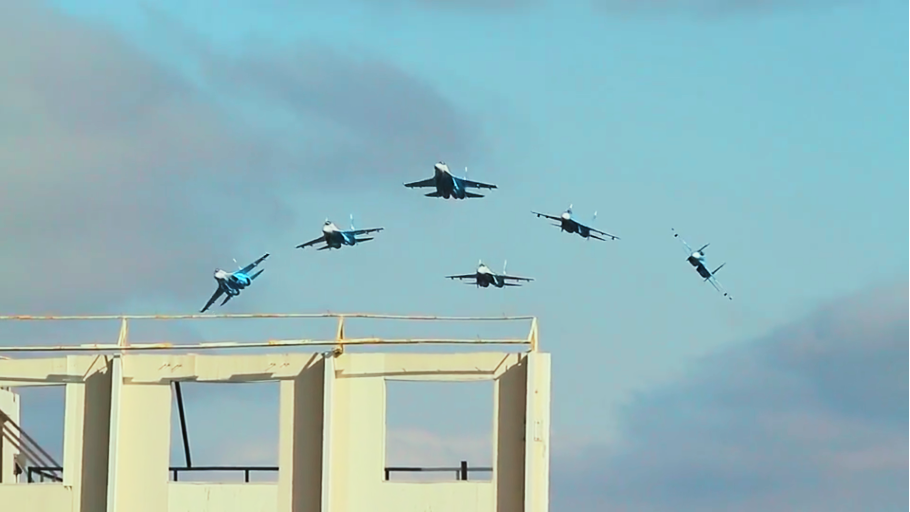
4.5 Generation Enhancements
Aircraft based on 4th-generation designs with major upgrades:
- AESA radars
- Improved data links
- Reduced radar cross-section
Examples:
- Eurofighter Typhoon
- Su-35
The 5th Generation Revolution: Stealth, Sensors, and War on the Internet
The arrival of 5th-generation fighters represents a fundamental shift, transforming aircraft into networked information warfare platforms.
This shift was driven by:
- Advanced air defense systems
- Heavy electronic warfare environments
Core Characteristics of 5th-Generation Fighters
- Low-observable (stealth) airframe design
- Internal weapon bays
- Advanced sensor fusion
- Network-centric warfare capability
- Supercruise
- High situational awareness
Leading platforms:
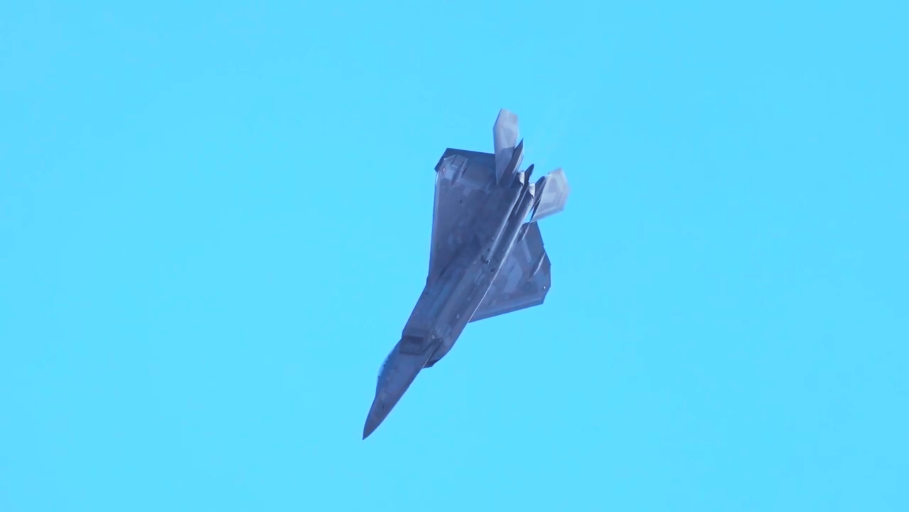
- F-22 Raptor
- F-35 Lightning II
- J-20 Mighty Dragon
- Su-57 Felon
A Close Look at the 5th Generation: Pros and Cons and High Costs
Unprecedented Benefits
| Characteristic | Description |
|---|---|
| Stealth | Enables penetration of advanced air defenses |
| Sensor Fusion | Single, unified battlespace picture |
| Network Warfare | Secure real-time data sharing |
| Situational Awareness | Faster and better decision-making |
| Supercruise | Sustained supersonic flight without afterburners |
Major Drawbacks
| Challenge | Explanation |
|---|---|
| High Cost | Unit costs reaching $80–100 million |
| Maintenance Complexity | Fragile stealth coatings |
| Technology Dependence | Reliance on advanced foreign subsystems |
| Long Development Time | 15–20 years per program |
| Training Burden | Extremely complex pilot training |
| Weapon Load Limits | Internal bays restrict payload |
Case Study: Turkey’s KAAN and the Growing Club of 5th-Gen Producers
Turkey’s KAAN (formerly TF-X) project marked a major milestone with its successful first flight in 2023.
Strategic importance:
- Replacement for aging F-16 fleet
- Increased defense industry independence
- Potential export platform
Targeted Technical Specifications
- Length: ~21 meters
- Wingspan: ~14 meters
- Top Speed: Mach 1.8+
- Service Ceiling: 55,000 feet
- Weapon Capacity: 10+ tons
Program Timeline
- 2023: First flight
- 2028: Planned mass production
- 2030s: Entry into Turkish Air Force service
The Next Frontier: What Does the 6th Generation Mean?
Sixth-generation fighters represent a shift from single platforms to a “system of systems.”
Expected core concepts:
- Optionally crewed operation
- Loyal wingman UAV teaming
- AI-assisted decision-making
- High-capacity data networking
- Variable-cycle engines
- Directed-energy weapons
Major Programs
- NGAD (USA)
- GCAP (UK–Italy–Japan)
- FCAS (France–Germany–Spain)
Conclusion: The Future of Air Supremacy
Air combat has shifted from speed and maneuverability toward information dominance.
- 5th generation cemented stealth, sensor fusion, and networking as decisive factors.
- 6th generation will push this further through AI, unmanned teaming, and systems integration.
Future air superiority will not belong to a single aircraft —
it will belong to the side that controls information across a connected battlespace.
What is the main difference between 5th and 6th generation fighter jets?
The main difference is that 5th-generation fighters focus on stealth and sensor fusion, while 6th-generation fighters are designed as system-of-systems, combining manned aircraft, unmanned loyal wingmen, artificial intelligence, and advanced networking to dominate the battlespace.
Will 6th-generation fighters replace pilots?
No. Most 6th-generation designs are optionally crewed, meaning they can operate with a pilot, remotely, or fully AI-assisted, depending on mission risk and complexity.